DENTISTS RECOMMEND 2 EXAMS PER YEAR. BOOK YOUR EXAM TODAY.

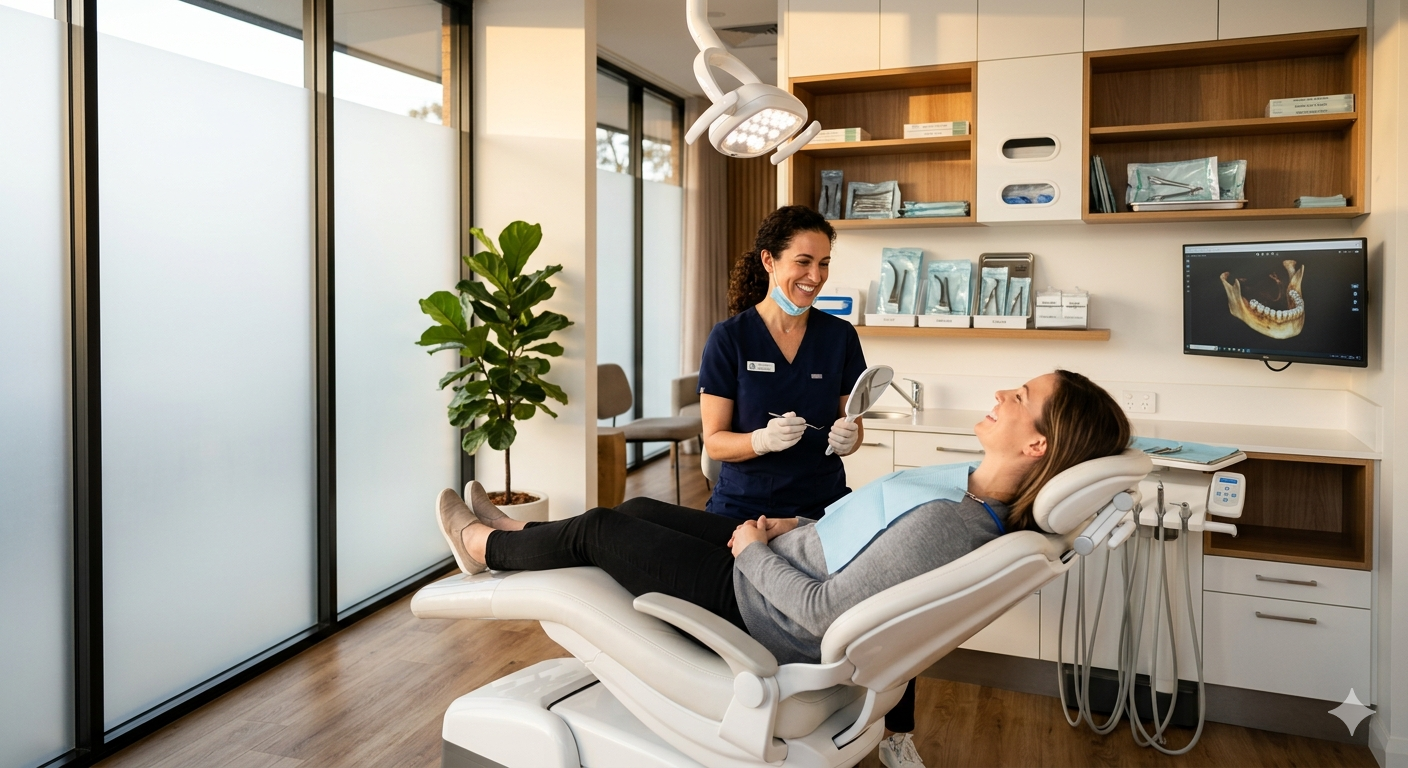
Dental implants are a popular choice for people in Ephrata, PA, looking to replace missing teeth with a lasting solution. The cost of dental implants in Ephrata typically ranges from $3,000 to $5,000 per implant, depending on factors like the type of implant, the patient’s oral health, and the need for additional procedures.
Many patients wonder why dental implants cost more than dentures or bridges. The difference comes down to the advanced technology involved, the implant’s durability, and the fact that they function much like natural teeth. Understanding these costs helps patients make informed decisions about their oral health.
Local dental offices in Ephrata focus on making this treatment comfortable and accessible, often offering payment plans or financing options. Talking with a trusted dentist can clarify costs and help figure out the best plan for a patient’s smile and budget.
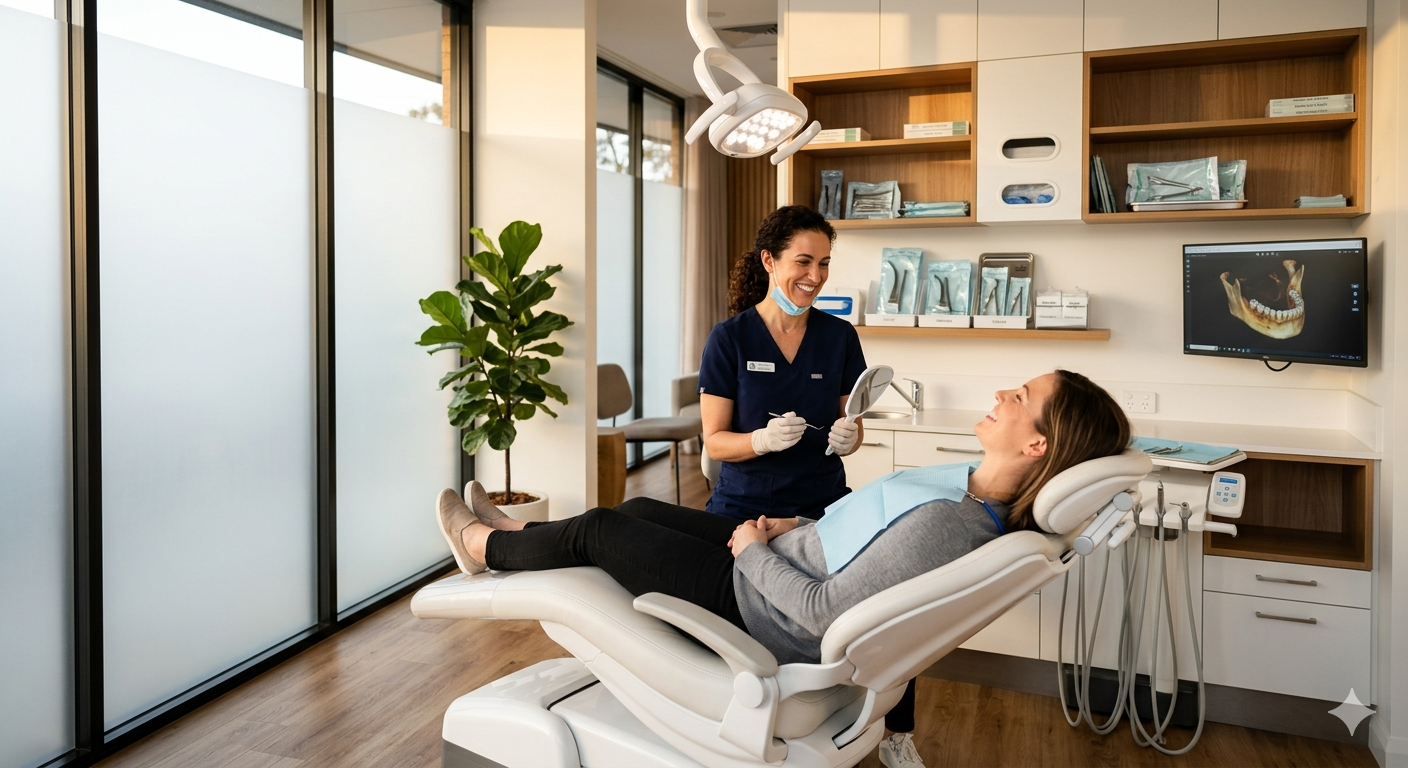
Several factors shape the cost of dental implants in Ephrata. From the materials used to the complexity of each case, understanding these details can help patients better prepare.
Dental implants come in different materials, primarily titanium and zirconia. Titanium remains the most common due to its durability and biocompatibility, typically costing less than zirconia, which offers a metal-free option favored by some patients.
The type of implant also affects price. Standard implants are usually less expensive, while specialized ones like mini implants or implants combined with bone grafts can increase costs. Crowns attached to implants vary by material—porcelain, ceramic, or metal-infused—each with its own price range.
Patients should ask about the implant brand as well since premium systems often carry higher fees but can offer better long-term results.
The total number of implants needed is a straightforward cost driver. A single implant will naturally cost less than multiple implants, which multiply expenses for surgery, materials, and labor.
For example, replacing two or three teeth with implants will be more costly than a single tooth but less expensive than a full-mouth implant restoration. Clinics may offer package deals for multiple implants or all-on-4 procedures, which can provide savings but still reflect a higher total investment compared to individual replacements.
Encouraging a clear treatment plan upfront helps manage expectations around pricing and the number of required visits.
Procedures involving healthy gums and ample bone require less preparation, resulting in lower costs. However, if a patient needs bone grafting, sinus lifts, or extractions before implant placement, the complexity drives prices up.
Complicated cases may also require advanced imaging, sedation, or multiple surgical visits. Each step adds to the overall expense, but these measures improve implant success and patient comfort.
Dentists in Ephrata tailor the approach based on individual health and anatomy, which means no two costs are exactly alike. Detailed assessments help clarify how complexity influences the final price.
Dental implants offer unique advantages over traditional options like bridges and dentures that make them a strong choice for many patients in Ephrata, PA. Their design and function impact comfort, maintenance, and long-term results distinctly.
Dental implants replace teeth root and crown, anchoring securely into the jawbone, which prevents bone loss and maintains facial structure. Bridges rely on adjacent teeth for support, which can weaken those teeth over time. Dentures rest on the gums and may slip or cause discomfort, particularly during eating or speaking.
Implants feel more like natural teeth because they don’t cover the palate or require adhesives. Cleaning implants is similar to natural teeth, unlike dentures that need special care. Patients often report better confidence and fewer dietary restrictions with implants compared to other options.
While the initial cost of dental implants is higher than bridges or dentures, their durability offers better long-term value. Implants can last 25 years or more with good care, often outlasting bridges and dentures, which might need replacement or adjustment every 5 to 10 years.
Investing in implants means fewer dental visits for repairs or replacements. They also reduce the risk of bone deterioration, preventing additional treatments later. This long-term reliability is a crucial factor for patients weighing upfront costs against lasting benefits.
Patients exploring dental implants in Ephrata, PA have several ways to manage the costs beyond upfront payment. Options include insurance coverage nuances, structured monthly plans, and tax-advantaged spending accounts. Knowing these choices helps patients plan treatment without stress.
Dental insurance policies vary widely in how they cover implants. Most plans consider implants a major procedure and cover only a portion, often between 30% to 50% after deductibles. Some plans limit annual benefits, which can impact out-of-pocket costs.
Patients should check if their insurance requires pre-authorization for implants. It’s also important to confirm network participation since using an out-of-network provider can increase expenses. In some cases, insurance may cover preparatory treatments like bone grafts separately.
Understanding what parts of the implant procedure—consultation, surgery, crown—are covered helps patients avoid surprises. A dental office in Ephrata often assists by verifying benefits before treatment begins, giving clear estimates.
Many Ephrata dental offices offer monthly payment plans designed to spread out implant costs over time. These plans usually come with low or zero interest if payments are completed within a set term, typically 6 to 24 months.
Patients can apply easily, often without a hard credit check, making implants more accessible. Monthly plans break down total costs into predictable payments, easing financial pressure.
Some practices partner with third-party financing companies. These include CareCredit and LendingClub, which allow patients to select a payment schedule that fits their budget. Early payments or paying off balances ahead of schedule rarely incur penalties.
Flexible Spending Accounts (FSAs) or Health Savings Accounts (HSAs) provide a tax-advantaged way to pay for dental implants. These accounts use pretax dollars, effectively lowering the overall cost.
Patients can set aside up to the IRS limit annually—usually over $3,000 for FSAs—making a significant dent in expenses. It’s important to check deadlines on FSA funds since they may expire yearly, while HSAs roll over.
Eligible expenses include implant surgery, crowns, X-rays, and related treatments, which means much of the implant process can be covered. Patients must save receipts and submit claims for reimbursement, a process dental offices often help with.
The process of getting dental implants involves several clear steps, each designed to ensure comfort and lasting results. Patients often wonder about timing, what happens during visits, and how to care for implants afterward.
During the first appointment, the dentist conducts a thorough examination, including X-rays or 3D scans. This helps assess bone density and the health of gums, both crucial for successful implants.
The dentist will discuss the patient’s medical history and explain if any preparatory treatments, like bone grafting, are needed. Patients receive clear information about costs, risks, and the expected outcome.
This visit is also a chance for patients to ask questions. Friendly staff often provide tailored advice on what to expect and how to prepare.
The implant process usually starts with implant placement, where a titanium post is inserted into the jawbone. This minor surgery is often done under local anesthesia, ensuring minimal discomfort.
After placement, a healing period of several months follows. During this time, the implant fuses with the bone, creating a sturdy foundation. Temporary restorations may be used to maintain appearance.
Once healed, an abutment is attached to the implant, followed by the custom-made crown. Patients will have a few appointments to ensure proper fit, bite, and aesthetics.
Proper care after implants is vital for long-term success. Patients should maintain good oral hygiene by brushing twice daily and using floss or interdental brushes to clean around the implant.
Regular dental check-ups are necessary to monitor the implant’s condition. The dentist may recommend professional cleanings to prevent gum disease.
Patients are advised to avoid habits that could damage the implant, such as grinding teeth or chewing hard objects. Following these steps helps implants last many years while keeping the mouth healthy.
Dental implant prices in Ephrata, PA, reflect several key factors that influence overall cost. Patients can expect variation based on the complexity of their case and what services the price includes.
In Ephrata, the average cost for a single dental implant generally falls between $3,000 and $5,000. This range depends on the chosen implant brand, the dentist’s experience, and specific local market rates. For cases requiring multiple implants, the price multiplies but may come with package discounts.
Additional procedures like bone grafting or sinus lifts, often necessary for implant stability, can add $500 to $1,500 or more. These extras vary depending on a patient’s oral health and jaw structure. Patients should expect to get a personalized estimate after a thorough exam.
Most treatment quotes cover the implant post, abutment (the connector), and the crown placed on top. This combination forms the complete artificial tooth. Some offices also include initial consultations and follow-up visits in their pricing.
However, imaging like X-rays or CT scans often incurs separate fees. Anesthesia or sedation options might be extra, depending on patient comfort needs. It’s important to confirm with your dental provider exactly what services and materials are included to avoid surprises.
Choosing the right care for dental implants starts with understanding what they need. Regular brushing and flossing remain essential, just like with natural teeth. However, implants require gentle care to avoid damaging the gums or implant surface.
Visiting the dentist regularly is crucial. Professionals can spot early signs of gum inflammation or bone loss around the implant. These check-ups also include professional cleanings that remove plaque buildup implants are more sensitive to.
Patients should ask their dentist about specific products compatible with implants. For example:
| Product Type | Recommended Use |
|---|---|
| Soft-bristle brush | Avoids scratching implant tools |
| Non-abrasive toothpaste | Prevents surface damage |
| Water flossers | Helps clean hard-to-reach areas |
Being informed about lifestyle choices helps too. Smoking, for instance, can negatively affect healing and long-term implant success. Good nutrition and staying hydrated also support overall oral health.
Finally, it’s wise to discuss potential complications upfront. Knowing signs like persistent pain, swelling, or loosening helps patients respond early. Being proactive with care builds confidence and keeps implants healthy for years.
Encouraging patients to stay engaged and ask questions fosters a partnership with their dental team, making the implant journey smoother and more comfortable.
When considering dental implants in Ephrata, the first step is often a thorough consultation. Dental teams will review your medical history, examine your oral health, and discuss your goals. This visit helps create a personalized treatment plan that fits your needs and budget.
Dental professionals in Ephrata understand that implants can seem overwhelming at first. They take time to explain the process clearly, answer questions, and walk patients through every stage. This support helps ease any worries and builds confidence.
Patients can expect:
Many Ephrata dental offices use modern technology to make the implant process smoother and less invasive. This can mean less discomfort and faster healing. Friendly staff are also available to provide tips on maintaining oral health before and after implants.
If you’re curious about dental implants or want to learn more about the cost and care, scheduling a visit with an Ephrata dentist is a helpful next move. They’re ready to listen, explain your options, and support you every step of the way.
Dental implant costs can vary based on several important details, including the complexity of the procedure and any additional treatments needed. Insurance coverage, payment plans, and specific treatment choices also play key roles in determining what patients will pay.
The number of implants needed is a major factor. Additional surgeries like bone grafts or sinus lifts can add to the cost.
The type of implant and the quality of the final restoration also influence pricing. Location and the dentist’s experience may impact fees as well.
In many dental offices, the consultation is free or included. However, 3D imaging and scans often come with a separate fee due to the advanced technology involved.
It is best to confirm with the dental office ahead of time so there are no surprises.
A single implant replaces one tooth and generally costs less than full-arch solutions. Full-arch options, like All-on-4, involve multiple implants and a complete prosthetic, leading to a higher price.
Full-arch treatments provide more comprehensive restoration but require a bigger investment upfront.
Most dental insurance plans do not fully cover implants. They might cover the consultation or a portion of the crown but rarely the implant post itself.
Patients should check with their insurer to understand what parts of the procedure their plan supports.
Many dental offices offer monthly payment plans or financing through third-party lenders. These options help spread the cost over time.
Patients can often find plans with low or no interest, making implants more financially manageable.
Yes, requiring a bone graft or sinus lift adds additional procedures and materials, which increase the total cost. These treatments are often necessary to ensure implants have strong support.
Dentists will usually discuss these needs during the initial consultation to prepare patients for the full expense.