DENTISTS RECOMMEND 2 EXAMS PER YEAR. BOOK YOUR EXAM TODAY.

When a dental emergency strikes in Ephrata, PA, knowing where to turn makes all the difference. Whether it’s a sudden toothache, a broken crown, or an injury from an accident, prompt care can ease pain and prevent further damage. An emergency dentist in Ephrata is ready to provide fast, expert relief when dental issues can’t wait.
These emergency dentists understand that dental problems don’t keep business hours. They offer convenient appointments, calm environments, and treatments that focus on your immediate comfort and long-term dental health. With modern tools and a gentle approach, they handle everything from chipped teeth to severe infections quickly and effectively.
Anyone experiencing dental pain or injury in this area can find trusted, compassionate care nearby. Reaching out early helps protect your smile and avoid complications, making it important to know who to call if an emergency arises.
Emergency dental care is designed to address urgent issues that require immediate attention to prevent further damage or intense pain. Knowing what counts as an emergency, the types of problems that occur, and why quick treatment is critical can help patients act confidently when the unexpected happens.
A dental emergency typically involves sudden pain, trauma, or infection that cannot wait for a regular appointment. Examples include severe toothaches, knocked-out teeth, broken fillings or crowns, and abscesses causing swelling or fever.
If bleeding won’t stop or there is damage to the gums, jaw, or surrounding tissues, it also qualifies as an emergency. These problems may risk long-term damage or infection if left untreated. Minor issues like slight sensitivity or small chips usually do not require emergency care but should still be evaluated promptly.
Several dental emergencies frequently arise in Ephrata, PA. Toothaches caused by decay or injury are common and often signal infection or nerve damage. A knocked-out tooth is urgent because timely reimplantation can save it.
Cracked or broken teeth, especially if they expose the inner pulp, can cause intense pain and risk infection. Soft tissue injuries from sports or accidents that cause bleeding or lacerations also need immediate care to prevent complications.
Getting treatment quickly helps control pain, prevents infection, and increases the chances of saving the tooth. Infections can spread to other parts of the body if ignored, which can be serious.
Delayed care may mean more extensive procedures like root canals or extractions later on. Early intervention keeps recovery smooth and helps patients return to normal activities faster. Emergency dentists in Ephrata often provide same-day appointments to address urgent needs without long waits.
Knowing when to seek urgent dental care can protect your smile and prevent complications. Certain symptoms and situations demand immediate attention, while others can wait for a scheduled visit. Understanding these differences helps patients respond quickly and effectively.
Severe tooth pain that doesn’t improve with over-the-counter painkillers is a clear sign to call an emergency dentist. Sudden swelling of the face or gums, which might indicate infection, also requires prompt care. Bleeding that doesn’t stop after applying pressure for 15 minutes is another critical symptom.
Other urgent signs include a knocked-out tooth, loose teeth from trauma, or signs of a dental abscess such as fever, bad breath, or a swollen, tender bump on the gum. These symptoms mean bacteria may be spreading and can lead to serious health issues if untreated.
Physical injuries from accidents, sports, or falls often result in chipped, cracked, or displaced teeth needing same-day care. A knocked-out tooth, if it’s placed back in the mouth within an hour, may be saved with fast treatment.
Severe infections causing difficulty swallowing, breathing, or opening the mouth require emergency intervention to prevent airway obstruction or sepsis. Persistent, worsening pain that radiates to the ear or jaw can also signal conditions like an infection or nerve damage.
If a tooth is knocked out, gently rinse it with water but don’t scrub or remove attached tissue. Try to put it back in place if possible or store it in milk or saliva. Applying a cold compress can reduce swelling after an injury.
For bleeding, hold a clean cloth or gauze over the area and apply firm pressure. Avoid rinsing aggressively or using aspirin near the injury, as it can increase bleeding. Keeping calm and contacting the emergency dental office immediately ensures the best chance of a successful outcome.
Emergency dentists in Ephrata PA provide quick, effective care to address urgent dental problems. They focus on reducing pain, repairing damage, and treating infections to help patients feel better as soon as possible.
Pain from a dental emergency can be intense and frightening. Emergency dentists in Ephrata prioritize immediate pain relief through targeted treatments. This often includes administering local anesthesia or prescribing appropriate painkillers.
They also identify the source of pain, whether it’s from a cracked tooth, exposed nerve, or gum irritation. Using advanced tools and techniques, they work efficiently to stop the pain and prevent it from worsening. Patients can expect prompt attention that addresses discomfort without long waits.
Accidents and sudden damage to teeth require swift repair. Emergency dentists in Ephrata offer treatments like bonding, dental crowns, or fillings to restore broken or chipped teeth. These procedures protect the tooth from further harm and restore its appearance.
For more severe cases like knocked-out teeth, dentists provide immediate steps to maximize chances of saving the tooth. They use materials designed to match natural tooth color and strength, ensuring repairs feel and function like the original.
Infections and swelling in the mouth can escalate quickly if untreated. Emergency dentists in Ephrata assess the severity and use antibiotics or drainage procedures to control infections. They monitor swelling that might interfere with breathing or cause significant pain.
They also educate patients on hygiene and follow-up treatments to promote healing. Timely care prevents complications and helps patients regain comfort and health faster.
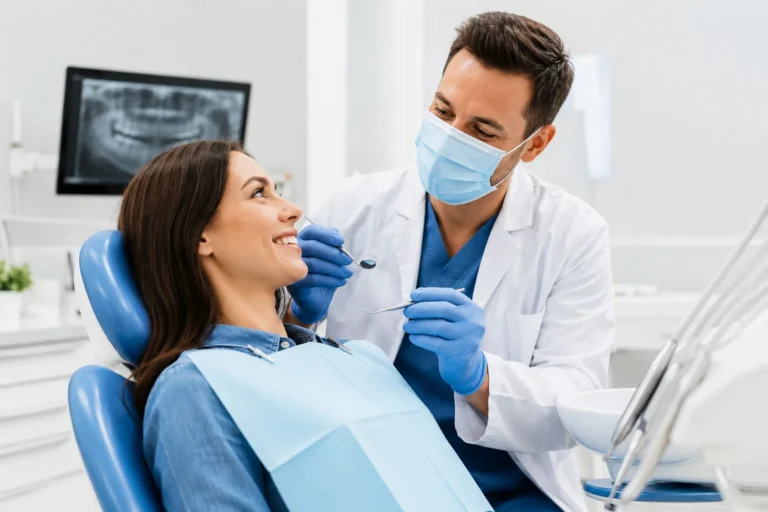
When patients arrive for an emergency dental visit in Ephrata, they find a caring team ready to make their experience as smooth as possible. The dentist uses gentle methods to ease discomfort, leverages advanced diagnostic tools for quick assessment, and clearly explains treatment options so patients feel informed and involved.
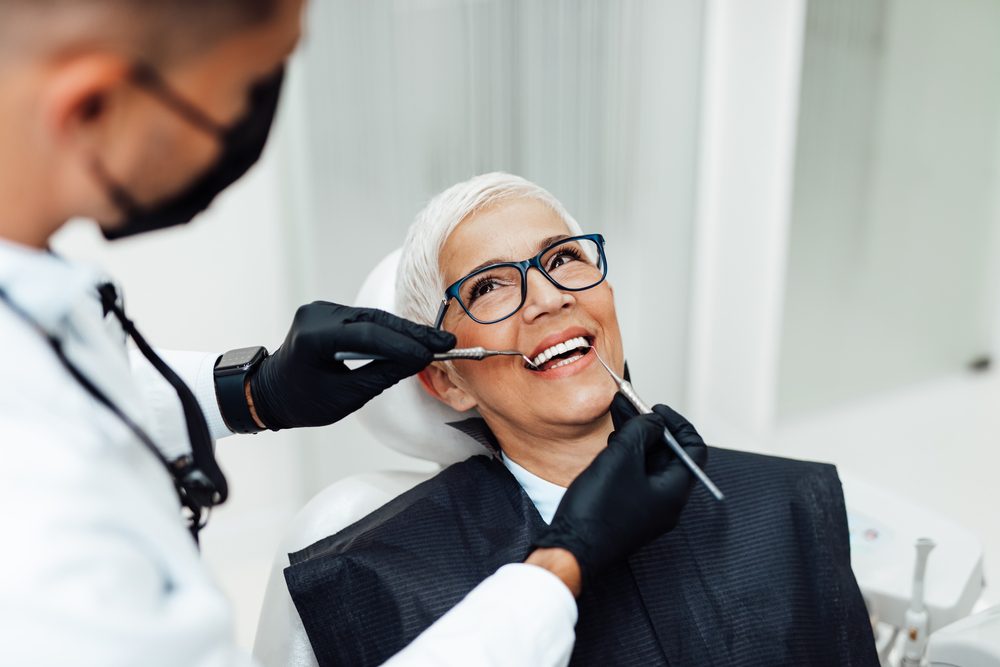
Emergency dentists in Ephrata understand that pain and anxiety often come with urgent dental issues. They prioritize patient comfort by starting with a gentle examination and using numbing agents to ease pain before any procedure begins.
Techniques like slow, careful drilling and minimal pressure help reduce discomfort. Staff often offer calming measures such as warm blankets or music to create a relaxing atmosphere. The goal is to treat pain quickly while making sure the patient feels safe and supported throughout the visit.
To diagnose problems accurately and quickly, emergency dentists rely on cutting-edge technology. Digital X-rays provide detailed images with less radiation, helping identify fractures, infections, or decay within minutes.
Intraoral cameras let the dentist show patients exact problem areas, improving understanding and communication. These tools speed up diagnosis and ensure treatments target the root cause, rather than guessing based on symptoms alone.
After diagnosing the issue, the dentist takes time to explain all viable treatment choices clearly. They outline procedures, timelines, and costs using simple language, avoiding jargon.
Patients learn about immediate relief options as well as longer-term solutions, so they can decide what fits their needs and budget. The dentist encourages questions and makes sure patients feel confident before proceeding, turning a stressful visit into a manageable experience.
Taking a few mindful actions daily and visiting the dentist regularly can significantly reduce the risk of unexpected dental problems. These practices help maintain strong teeth and gums, lowering the chance of pain or injury that requires urgent care.
Daily habits greatly influence dental health and can prevent many emergencies. Brushing twice a day with fluoride toothpaste removes plaque that causes cavities and gum disease. Flossing once daily reaches the tight spaces between teeth where brushes can’t.
Wearing a mouthguard while playing sports or doing physical activities protects teeth from sudden impacts. Avoiding hard foods like ice or popcorn kernels reduces the risk of cracked or chipped teeth.
Limiting sugary snacks and drinks also helps. Sugar feeds bacteria in the mouth, which produce acids that erode enamel. Drinking water often helps rinse away food particles and maintain saliva flow, which protects teeth naturally.
Regular dental visits catch issues before they become emergencies. Dentists can identify early signs of decay, infection, or gum disease that may not cause pain initially but can escalate quickly.
During checkups, professional cleanings remove stubborn plaque and tartar buildup that brushing might miss. Dentists also evaluate any wear patterns or bite problems that could lead to fractures.
Most recommendations suggest dental exams every six months. However, those with a history of dental issues might need more frequent visits. Staying consistent with these appointments keeps teeth healthy and reduces sudden, painful problems requiring emergency care.
Selecting the right emergency dentist involves assessing expertise, availability, and how comfortable you feel with the care offered. It helps to have clear questions ready and understand the qualities that matter most in urgent dental situations.
An emergency dentist should be readily available, offering same-day or after-hours appointments. Quick response times can prevent complications and reduce pain.
Look for dentists who use modern technology, such as digital X-rays and laser treatments, which often mean faster and less invasive care. Board certification and continuing education show they stay current with dental advances.
Compassion and clear communication are key. A dentist who explains procedures calmly can ease anxiety during stressful moments. Also, check if the office accepts your insurance and offers flexible payment plans to avoid surprises.
Before or during an emergency, it helps to ask specific questions:
Trust grows from consistent, respectful care. Visiting a dentist regularly—even when there’s no emergency—makes it easier to turn to them during urgent times. They already understand your oral health history and preferences.
A trusted dentist also prioritizes patient comfort with gentle techniques and clear communication at each step. This relationship encourages patients to seek care early, often preventing emergencies.
Encourage open dialogue. A dentist who listens well and answers questions fully can reduce fears about unexpected dental issues and build confidence in their care.
After seeking emergency dental care in Ephrata, PA, the next step is to schedule a follow-up appointment. This helps to check healing progress and address any ongoing concerns. Regular visits make sure small issues don’t turn into big problems.
Patients should keep a list of symptoms and any changes since the emergency treatment. This helps the dentist give the best advice and tailor possible treatments. Writing down questions before appointments can make conversations more productive.
Maintaining good oral hygiene at home is crucial. Brushing twice a day, flossing daily, and using mouthwash supports healing and reduces future emergencies. A balanced diet that limits sugary snacks also protects teeth.
Here’s a quick checklist for aftercare:
If pain or swelling worsens, patients should contact their emergency dentist without delay. Early communication can prevent complications.
Encouraging patients to stay informed and involved in their care brings greater comfort. Emergency dentists in Ephrata focus not only on urgent treatment but also on educating patients for long-term dental health. They’re just a phone call away for advice and support.
Emergency dental care in Ephrata focuses on quick relief and preventing further damage. Whether it’s pain, injury, or swelling, knowing the right steps can make a big difference in outcomes and comfort.
A true dental emergency involves severe pain, uncontrolled bleeding, swelling that affects breathing or swallowing, a knocked-out tooth, or a broken tooth causing sharp pain. Minor chips, mild sensitivity, or a lost filling typically can wait until regular hours.
Rinse your mouth gently with warm salt water to reduce bacteria and soothe tissues. Use over-the-counter pain relievers as directed and apply a cold compress to your cheek to reduce swelling. Avoid placing aspirin directly on the gums.
Many emergency dentists in Ephrata provide evening and weekend appointments. Patients with urgent issues usually can be seen the same day or within 24 hours to address pain and prevent complications.
Costs vary depending on the treatment but can range from $100 for an exam up to several hundred dollars for procedures. Many offices offer payment plans, sliding scales, or referrals to low-cost clinics for uninsured patients.
If a tooth is knocked out, hold it by the crown, rinse gently, and try to place it back in the socket or keep it in milk or saliva while heading to the dentist immediately. For chips, save any fragments and seek care quickly to prevent sensitivity and further damage.
Emergency dentists in Ephrata are experienced with children and use gentle techniques to ease anxiety. Parents should stay calm, explain what will happen in simple words, and bring a favorite toy or blanket for comfort during the visit.