DENTISTS RECOMMEND 2 EXAMS PER YEAR. BOOK YOUR EXAM TODAY.


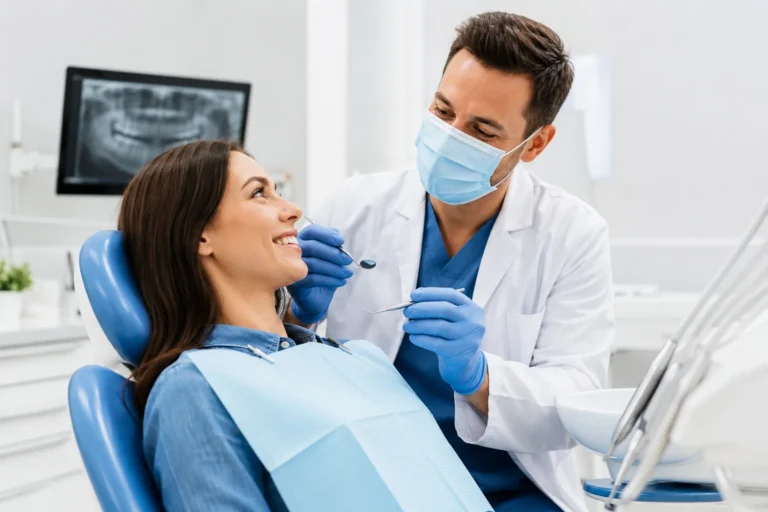
You’ll find family dental care in Ephrata, PA that balances modern treatments with gentle, practical care for every age. Local practices focus on preventive exams, child-friendly visits, restorative work, and options to improve smiles while keeping comfort and convenience front and center.
If you want coordinated, family-focused dentistry in Ephrata—preventive care, kid-friendly visits, same-day restorations, and flexible payment help all under one roof—you can get it nearby.
They’ll explain what to expect at the first visit, offer strategies to keep teeth healthy between appointments, and tailor care for anxious patients and busy families so everyone feels supported.
A great family dentist in Ephrata combines proven skills, a gentle approach to anxious patients, and a welcoming office for children and seniors. Patients should expect clear communication about treatment options, reliable scheduling, and care that protects long-term oral health.
A top family dentist holds a DDS or DMD from an accredited dental school and maintains active state licensure in Pennsylvania. Many also complete continuing education in pediatric dentistry, geriatric oral health, or sedation techniques to handle the full age range seen in family practices.
Look for board certifications or memberships in professional groups such as the American Dental Association or the Pennsylvania Dental Association; these show ongoing commitment to current standards. Clinical experience treating cavities, crowns, root canals, orthodontic referrals, and emergency care matters most.
Patients benefit when the dentist documents years of successful restorative and preventive care with local references or patient testimonials. Advanced training in digital X-rays, intraoral cameras, and same-day crowns is a practical advantage for efficient care and fewer visits.
An excellent practice prioritizes comfort from the first call through follow-up. Staff explain procedures in plain language, provide treatment timelines, and discuss cost or insurance details up front to reduce anxiety.
During care, the office uses modern pain-control options: topical anesthetics, local anesthetic blocks, and conscious sedation when appropriate. They also offer comfort measures like noise-cancelling headphones, warm blankets, and adjustable chair positioning.
Clinicians check in frequently during procedures and confirm understanding before each step. They create individualized comfort plans, especially for patients with dental fear, special needs, or medical conditions that affect oral care.
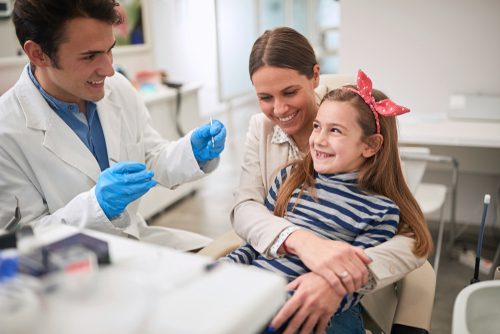
A family-focused office tailors the environment to different age groups while keeping safety and efficiency central. For children, expect a child-friendly waiting area, age-appropriate explanations, and preventive services like fluoride varnish and sealants. Staff trained in pediatric behavior management helps establish positive early dental experiences.
For teens and adults, clear options for orthodontic screening, whitening, and minimally invasive restorations appeal to changing needs. Seniors receive attention to gum health, dry mouth management, denture care, and coordination with medical providers for conditions like diabetes.
Administrative systems support families: flexible scheduling for multiple appointments, online forms, and reminders. Multilingual staff or printed materials in common local languages improve accessibility for Ephrata’s diverse community.
This practice focuses on preventing problems before they start, using routine care, targeted diagnostics, and individualized plans to keep patients’ mouths healthy and comfortable. Staff prioritize early detection, minimally invasive treatments, and clear guidance families can follow at home.
Patients receive a full oral exam at recommended intervals, typically every six months, unless a dentist recommends a different schedule based on risk. The exam includes evaluation of teeth, gums, bite, oral cancer screening, and a review of medical history that could affect dental health.
Cleanings are performed by licensed hygienists using scaling and polishing to remove plaque and tartar above and below the gumline. Hygienists also apply fluoride varnish for children or adults at higher risk and demonstrate brushing and flossing techniques tailored to each patient’s needs.
The office documents periodontal measurements and tracks changes over time, so early signs of gum disease are treated promptly with non-surgical therapy when possible. They also coordinate with pediatric or specialist care when developmental or complex issues arise.
The clinic uses digital radiography to capture high-resolution images with up to 80–90% less radiation than traditional film. Dentists review bitewing and periapical images to detect decay between teeth, assess bone levels, and evaluate tooth roots and developing permanent teeth in children.
For complex cases, they offer 3D cone beam CT scans to plan implants, evaluate impacted teeth, or assess jaw pathology. These scans provide precise measurements that reduce surprises during treatment and improve outcomes.
Advanced intraoral cameras and caries-detecting devices supplement X-rays by showing early enamel breakdown and soft-tissue problems in full color. The team reviews images with patients, explaining findings clearly so families understand recommended next steps and timing.
After assessment, the dentist creates a written preventive plan that lists specific actions, such as a three-month periodontal maintenance schedule, daily use of a 0.12% chlorhexidine rinse for two weeks, or a prescription fluoride toothpaste for children under six. Plans also include dietary recommendations aimed at reducing acidic and sugary exposure during school lunches and snacks.
The plan sets measurable goals—reduce bleeding on probing to <10%, eliminate interproximal cavities, or maintain twice-yearly radiographs—and schedules follow-ups to monitor progress. Hygienists teach personalized home-care routines, selecting brushes, interdental cleaners, and fluoride products suited to each patient’s mouth.
Families receive printed or emailed care plans and reminders for appointments and preventive milestones. The practice encourages questions and adjusts plans as life changes—new medications, orthodontics, pregnancy, or aging—so prevention stays practical and effective.
Restorative care restores function, prevents further damage, and maintains natural appearance for children, adults, and seniors. Treatments range from conservative fillings that stop decay early to crowns and extractions handled with comfort-focused techniques.
Fillings remove decay and rebuild tooth structure using materials chosen for durability and appearance. For posterior teeth, composite resin matches tooth color and bonds to enamel, reducing the chance of future fractures. Amalgam may still be recommended for high-stress back teeth in some cases; the dentist will explain longevity, cost, and aesthetic trade-offs.
Sealants protect deep grooves on molars, especially for children and teens who struggle with thorough brushing. Applied as a thin, durable coating to clean, etched enamel, sealants can cut cavity risk significantly for several years. Regular exams check sealant integrity and allow timely reapplication if needed.
Dentists in Ephrata use digital X-rays to detect decay under restorations early. Local anesthesia and rubber dam isolation improve comfort and reduce contamination during procedures. Post-op instructions include avoiding hard foods briefly and maintaining fluoride toothpaste and routine checkups.
Crowns restore severely broken or root-canal-treated teeth, covering the entire visible portion to protect function and appearance. Options include porcelain-fused-to-metal for strength, all-ceramic for best aesthetics on front teeth, and zirconia for high-strength, tooth-colored results. The dentist will evaluate bite, adjacent teeth, and esthetic needs before recommending a material.
Bridges replace one or more missing teeth by anchoring to adjacent crowned teeth or implants. Traditional fixed bridges use crowns on neighboring teeth with a pontic between them; implant-supported bridges spare natural teeth and offer greater long-term bone preservation. The practice reviews costs, timelines, and maintenance requirements for each pathway.
Preparation typically involves conservative tooth reduction, digital impressions, and temporary restorations while the lab fabricates the final crown or bridge. Cementation is adjusted to optimize bite and comfort. Patients receive care instructions on flossing under bridges or using interdental brushes.
Extractions remove teeth that are non-restorable, severely infected, or obstructing orthodontic plans. The team assesses alternatives first—root canal, crown lengthening, or periodontal therapy—to preserve teeth when possible. When extraction is necessary, they discuss anesthesia options and post-op pain control.
For surgical or impacted teeth, the dentist or specialist uses minimally invasive techniques to limit bone removal and swelling. Local anesthesia is standard; conscious sedation or nitrous oxide is available for anxious patients and children. Clear aftercare instructions reduce risks of dry socket, infection, and prolonged discomfort.
Replacement planning follows most extractions to prevent shifting and bone loss. Options include immediate temporary restorations, dental implants, or bridges, and the clinician provides timelines, healing expectations, and cost comparisons to help families choose the best path.
Parents find practical steps that protect teeth, prevent cavities, and make dental visits calm and positive for children. The guidance below covers first appointments, specific cavity-prevention measures, and daily habits that set lifelong oral health patterns.
A child’s first dental visit should occur by their first birthday or when the first tooth appears. The visit focuses on examining growth, checking for early decay, and teaching parents proper brushing and bottle/sippy-cup habits.
Clinics in Ephrata often perform a gentle exam, track eruption patterns, and photograph or chart teeth so parents can see progress. Staff explain how to clean teeth with a soft-bristled brush, how much fluoride toothpaste to use (a smear for under 3; a pea-sized amount for 3–6), and when to stop nighttime bottles or prolonged breast/bottle feeding.
Behavior guidance uses positive language, distraction, and “tell-show-do” methods to reduce fear. They also review injury prevention (mouth guards for sports) and when to schedule orthodontic screening—typically by age 7.
Fluoride protects enamel and reduces decay risk; dentists assess fluoride needs and provide topical fluoride varnish at well-child visits. Community water fluoridation and prescribed supplements (if water is low) are options they discuss specifically for each child.
Diet plays a major role: limit sugary drinks, avoid frequent snacks of sticky sweets, and encourage water after juice or snacks. Parents get concrete swap suggestions—whole fruit instead of fruit snacks, cheese or yogurt as tooth-friendly snacks, and using a straw for occasional sweet drinks.
Sealants are recommended for permanent molars soon after they erupt (around 6 and 12 years) to block deep grooves where cavities start. The office explains the quick application, longevity, and routine checks to maintain sealant integrity.
Daily brushing twice a day for two minutes and flossing once teeth touch becomes the routine foundation for oral health. Caregivers should supervise brushing until about age 7–8 to ensure technique and thoroughness; using a timer or an app can help make two minutes consistent.
Establish regular dental checkups every six months or per the dentist’s plan to monitor development and catch problems early. Praise and small rewards for cooperative visits reinforce positive attitudes toward oral care.
Modeling matters: when parents brush and floss visibly, children copy the behavior. The practice of preparing snacks ahead, scheduling appointments, and keeping fluoride exposure appropriate forms a simple, effective plan families can follow.
These treatments target common concerns: tooth color, minor chips, and uneven edges. Each option focuses on predictable results with minimal chair time and attention to patient comfort.
Professional whitening uses higher-concentration hydrogen peroxide gels applied by a dental professional, giving faster and more reliable whitening than over-the-counter kits. In-office sessions typically take 45–90 minutes and can lighten teeth several shades in a single visit, while take-home trays fitted to the patient’s teeth provide gradual whitening over 1–2 weeks.
Dentists assess existing restorations first because crowns, veneers, and composite fillings do not change color with bleaching. They also screen for sensitivity risks and gum irritation, then recommend desensitizing gels or a staged approach if needed. Expect clear pre- and post-care instructions, such as avoiding staining foods for 48–72 hours and using non-abrasive toothpaste to maintain results.
Costs vary by practice and method; many Ephrata clinics offer package pricing for an in-office session plus custom trays. Whitening suits people with intrinsic or extrinsic stains but not those whose color concerns stem from restorations.
Cosmetic bonding uses tooth-colored composite resin to repair chips, close small gaps, and reshape mildly uneven teeth in one visit. The dentist roughens the enamel, applies a bonding agent, sculpts the resin, then cures it with a light—typically finishing the procedure in 30–60 minutes per tooth.
Bonding conserves healthy tooth structure and usually costs less than veneers. It matches adjacent teeth well but can stain over time and may require touch-ups or replacement after 5–10 years depending on wear and oral habits. Dentists discuss bite forces and lifestyle factors—such as teeth grinding and coffee consumption—before recommending bonding.
Bonding works best for small to moderate cosmetic corrections. For extensive color or alignment issues, the dentist may suggest veneers or orthodontic options as alternatives.
Dental teams in Ephrata tailor visits to reduce fear, build trust, and keep patients comfortable from check-in through follow-up. They combine communication, environment, and specific clinical options to help people feel safe and in control.
Staff use a plain-language script to explain each step before it happens, so patients know what to expect and can consent to pauses. They offer signal systems (raise a hand) to stop treatment anytime, giving patients control during procedures.
The office environment often includes soft lighting, noise-canceling headphones, and weighted blankets to reduce sensory overload. Staff can schedule the first appointment of the day or quieter times to avoid crowded waiting rooms for those who prefer fewer people.
Clinicians teach simple breathing and muscle-relaxation exercises that patients can practice in the chair to lower heart rate and muscle tension. Short, frequent breaks during longer procedures prevent fatigue and help maintain calm.
Behavioral techniques such as gradual desensitization let nervous patients have short, noninvasive visits first—cleaning, sitting in the chair, or a quick exam—before progressing to more complex care. Companions are welcome when allowed, and visual aids or models explain treatments step-by-step.
For mild anxiety, clinicians often recommend nitrous oxide (laughing gas). It acts quickly, wears off fast, and allows patients to remain conscious and responsive while feeling relaxed.
Oral sedatives like a low-dose benzodiazepine provide moderate sedation and are taken before the appointment. Patients should arrange transportation home and follow pre-visit fasting or medication instructions given by the dentist.
For higher anxiety or longer procedures, the practice may offer IV sedation administered by a trained provider. IV sedation offers deeper relaxation and adjustable dosing, and the team monitors vital signs continuously throughout the visit.
Dental professionals evaluate medical history, current medications, and airway risk before recommending sedation. They explain benefits, risks, and recovery expectations in clear terms and provide written instructions for pre- and post-procedure care.
This practice centers on local values, accessible care, and a welcoming atmosphere for families. It balances practical services like preventive care and emergency visits with community outreach and patient education.
They prioritize patients from Ephrata and surrounding townships by offering extended weekday hours and occasional Saturday appointments to fit school and work schedules. The team partners with Ephrata schools and community centers for oral-health screenings and fluoride varnish programs, targeting children and older adults who need low-barrier preventive services.
Insurance and payment options reflect local needs: most major PPO plans, Medicaid for children where applicable, and a sliding-fee plan for qualifying households. Staff members speak English and Spanish, reducing communication barriers for many local families.
The office donates time to local events like health fairs and sponsors youth sports teams to build trust and visibility. Follow-up calls after complex procedures and text appointment reminders aim to improve continuity of care and reduce missed visits.
They streamline new-patient intake with an online registration form and the option to upload prior x-rays, which speeds diagnosis and saves on duplicate imaging. New visits typically include a comprehensive exam, digital x-rays if needed, and a clear treatment plan explained in plain language with estimated costs.
The front-desk staff reviews insurance benefits during the first call and offers financing alternatives such as 0% interest plans for eligible cases. For anxious patients, the clinic provides nitrous oxide, quiet-room scheduling, and staff trained in calming techniques to make first visits less stressful.
Children receive a “first-visit coaching” approach: a short, friendly exam focused on comfort, a hands-on brushing demo, and a take-home care sheet for parents. New adult patients get a personalized hygiene schedule and written prevention tips tailored to their risk factors.
Patients arrive and complete a short intake form about medical history and current concerns. The staff reviews insurance and explains any out-of-pocket costs so there are no surprises.
A dental hygienist performs a gentle cleaning and checks gum health. They take digital X-rays when needed to get a clear picture of teeth and bone structure.
The dentist conducts a thorough exam, looking for cavities, wear, and signs of infection. They discuss findings in plain language and answer questions at every step.
If treatment is needed, the dentist outlines options, timelines, and costs. They use modern techniques to prioritize comfort and often offer same-day scheduling for urgent care.
Parents bring children’s records and note any behavior or health issues that could affect treatment. The team uses kid-friendly tools and explanations to make the visit less stressful.
Before leaving, patients receive a personalized care plan with home-care tips and preventive strategies. Staff schedules follow-up visits and encourages patients to call with questions or to book their next appointment.
The practice helps families navigate insurance benefits so patients know what to expect before treatment begins. Staff review plans, file claims electronically, and explain remaining out-of-pocket costs in plain language.
They offer multiple payment options to fit different budgets. Patients can pay by credit card, debit, or cash, and the office provides interest-free short-term financing for larger procedures.
A simple list outlines common options:
Staff members walk caregivers through typical scenarios, like coordinating coverage for children’s preventive visits or estimating costs for restorative work. This reduces surprises and makes scheduling decisions easier.
Clear paperwork and verbal explanations help families compare choices quickly. Estimates include projected insurance reimbursements and patient responsibility so families can plan.
They encourage questions and invite patients to call or bring insurance cards to the first visit. This personal assistance speeds up enrollment, clarifies benefits, and supports timely care.
Patients who want more flexible monthly payments can discuss tailored plans during the consultation. The office aims to remove financial barriers so families can prioritize routine and emergency dental care.
Families should build daily habits that protect teeth and gums. Brushing twice a day for two minutes and flossing once daily remain the foundation of at-home care. Parents can model good technique and make oral care a predictable part of morning and evening routines.
Offer kids fluoride toothpaste in pea-sized amounts and supervise until they can spit reliably. For adults, using a soft-bristled brush and a fluoride toothpaste helps reduce enamel wear while preventing cavities. Electric toothbrushes often improve plaque removal and may be worth considering.
Healthy snacks support dental health as much as brushing does. Choose water, cheese, plain yogurt, fruits, and crunchy vegetables instead of sticky, sugary treats. Encourage water after meals to help rinse sugars and acids away.
Establish regular reminders and positive reinforcement. A family chart, sticker rewards, or a brief praise ritual after brushing helps turn care into a habit. For anxious children, practicing at home with a toy or mirror can make dental visits less intimidating.
Monitor habits that harm teeth and address them early. Thumb-sucking, prolonged pacifier use, or frequent sipping of sugary drinks can affect bite and decay risk. Discuss behavior strategies and preventive options with the dental team.
When concerns arise, prompt contact with the family dentist prevents small issues from becoming bigger problems. They can suggest tailored preventive plans, fluoride treatments, or sealants as needed. Encourage scheduling questions or visits to keep every family member smiling confidently.
This section covers practical choices about selecting a family dentist, what to expect at the first visit, emergency availability, preventive services, when to choose a pediatric specialist, and what local reviews reveal about nearby practices.
They should check credentials, experience treating children, and whether the office accepts their insurance or offers flexible payment plans.
Look for a dentist who offers age-appropriate care, uses modern sterilization and sedation options if needed, and who explains procedures in simple terms.
The first visit usually includes a medical history review, a gentle exam, and possibly X-rays or a cleaning for older children.
Parents can help by scheduling appointments at a calm time of day, bringing a favorite toy, and using neutral language—avoid words like “hurt” or “needle.”
Many family dental offices in Ephrata provide same-day or next-day slots for acute pain, broken teeth, or knocked-out teeth.
Call the office immediately; they will triage the situation, give home-care instructions, and often reserve an urgent appointment to relieve pain and stabilize the tooth.
Regular cleanings every six months, fluoride treatments, and dental sealants for molars are standard preventive measures.
They also advise a balanced low-sugar diet, twice-daily brushing with fluoride toothpaste, daily flossing once teeth touch, and routine oral health checks for early problem detection.
Refer to a pediatric dentist if the child has complex medical conditions, severe dental anxiety, developmental dental concerns, or behavior management needs.
If a general family dentist has advanced pediatric training and offers a child-friendly environment, they can often provide excellent care for most kids; a referral will be made when specialized treatment is necessary.
Reviews commonly highlight appointment availability, staff friendliness, clarity of treatment explanations, and pain management during procedures.
Pay attention to comments about wait times, billing transparency, and how the office handled emergencies—those details indicate how the practice performs day to day.