DENTISTS RECOMMEND 2 EXAMS PER YEAR. BOOK YOUR EXAM TODAY.

Choosing family dentistry services in Ephrata, PA helps them keep every smile healthy without juggling multiple specialists. A local family dentist provides preventive care, kid-friendly exams, restorative treatments, and modern technology under one roof, so scheduling, records, and follow-up stay simple for busy households.
They will find gentle care designed for all ages, clear treatment plans tailored to individual needs, and a team that emphasizes comfort and trust. The article will explain benefits, common services, modern tools used in Ephrata practices, and practical steps to get started with family dental care.
A family dentist offers coordinated preventive care, age-appropriate treatments, and scheduling that fits busy households. Patients gain continuity of records, consistent treatment philosophies, and easier communication for everyone in the family.
A family dentist builds a continuous record of dental history for each patient, tracking changes from childhood through adulthood. This continuity helps the dentist detect slow-developing issues—such as bite changes, enamel wear, or recurring gum inflammation—so interventions occur earlier and often require less invasive treatment.
Knowing a patient’s past restorations, allergy history, and prior imaging reduces redundant X-rays and prevents incompatible materials being used. Families also benefit from personalized preventive plans: fluoride timing for children, periodontal maintenance for adults, and oral cancer screenings for older patients. The dentist can recommend lifestyle or dietary adjustments tailored to a patient’s age and medical profile.
Coordinating appointments at one office cuts down on travel and missed visits. Parents can book multiple family members for the same visit or stagger appointments to accommodate school and work schedules, which reduces time off and childcare needs.
Offices that serve families often offer flexible hours, recall reminders, and combined billing, so treatment plans for children and adults move forward without administrative hurdles. Same-day or short-notice slots for emergencies mean quicker relief for a child’s toothache or an adult’s crown issue. Clear communication about insurance benefits and treatment timing helps families plan and avoid surprise costs.
A single practice promotes uniform clinical standards, so grandparents, parents, and children receive care guided by the same preventive philosophy. That consistency supports shared education: one hygienist can teach parents and kids the same brushing and flossing techniques adapted to each age, reinforcing healthy habits at home.
When complex care is needed—orthodontics for a teen or implants for a grandparent—the family dentist coordinates referrals and oversees treatment continuity. This reduces the chance of conflicting recommendations and ensures restorations integrate well with existing dental work. Patients feel more comfortable and confident when treatment decisions reflect long-term knowledge of their oral health and family context.
The practice treats patients from toddlers to seniors with age-specific care tailored to growth, oral health risks, and comfort needs. Services emphasize prevention, routine maintenance, and restorative options that match each life stage.
Pediatric visits start with behavior-friendly exams that build trust and reduce anxiety. Clinicians perform gentle cleanings, fluoride varnish, and dental sealants on molars to prevent cavities common in grooves and pits.
Orthodontic screenings begin by age 7 to identify jaw growth issues early; referrals for braces or clear aligners happen when growth patterns suggest the best outcomes. Habit counseling addresses thumb-sucking, pacifier use, and tongue thrusting to prevent bite problems.
Parents receive clear home-care instructions, including brushing technique (small soft-bristle brush, pea-sized fluoride toothpaste) and flossing timing. The office offers individualized recall intervals based on decay risk, parental concerns, and fluoride exposure.
Routine adult care focuses on plaque control, early disease detection, and aesthetic preferences. Hygienists provide scaling and polishing, targeted periodontal assessments, and oral cancer screening during each exam.
When cavities, cracked teeth, or old fillings appear, conservative restorations such as composite fillings, onlays, or crowns restore function and match tooth color. Patients with missing teeth discuss bridges, implants, or removable partials; treatment plans consider bone health, budget, and recovery timelines.
Cosmetic options—professional whitening, veneers, and tooth-colored bonding—receive thorough previews and risk/benefit explanations. The clinic coordinates with medical histories such as diabetes or cardiovascular issues to adjust care and antibiotic protocols when needed.
Care for older adults prioritizes comfort, function, and minimizing systemic-health interactions. Providers screen for root decay, gum recession, dry mouth from medications, and prosthesis fit issues that affect chewing and nutrition.
Treatment emphasizes preserving remaining teeth with periodontal therapy, minimally invasive restorations, and nightguards for bruxism. For multiple missing teeth, implant-retained dentures and overdentures offer improved stability; clinicians review surgical options, healing time, and maintenance.
Staff accommodate limited mobility and cognitive concerns with longer appointments, simplified home-care plans, and caregiver education. They also coordinate with physicians to manage anticoagulants, bisphosphonate use, or other medical considerations before invasive procedures.
The practice prioritizes a calm, friendly environment and modern techniques to reduce discomfort and fear. Staff focus on clear explanations, predictable visits, and individualized approaches to make dental care manageable for all ages.
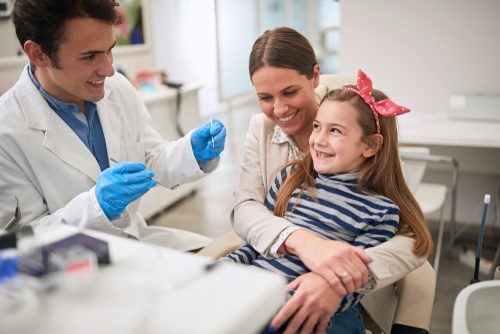
The team creates a child-friendly reception with toys, books, and posters that introduce dental tools in simple, nonthreatening ways. They schedule shorter first visits and use step-by-step demonstrations—letting a child touch the mirror or sit in the chair while the clinician explains each tool—to build familiarity before any procedure.
Behavioral techniques include positive reinforcement, distraction (tablet with cartoons or storytelling), and “tell‑show‑do” instruction so a child knows what to expect. Preventive services emphasize fluoride varnish, sealants, and gentle cleanings tailored to developing teeth. Parents receive clear home-care instructions and age-specific guidance on brushing, flossing, and diet to reduce cavities between visits.
If a child has special needs or strong fear responses, the office coordinates longer appointments, sensory accommodations (weighted blankets, dimmed lights), and, when appropriate, referrals for nitrous oxide or pediatric sedation with specialists. Communication remains direct and reassuring so caregivers feel informed and comfortable with each step.
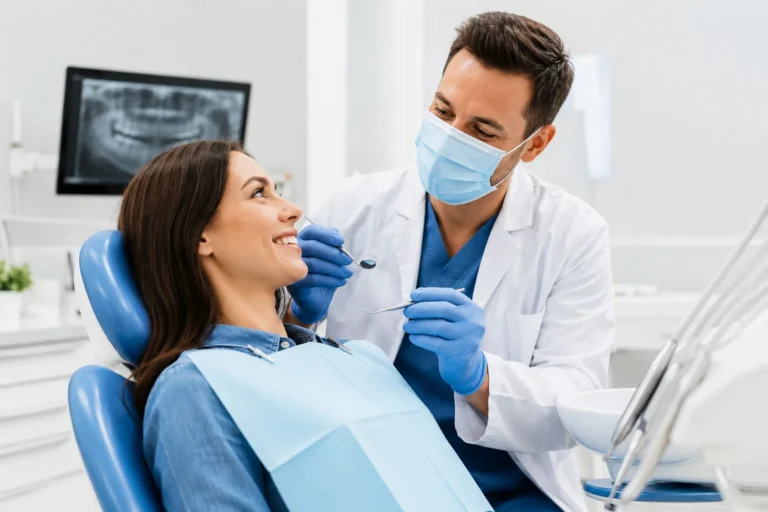
Clinicians assess anxiety discreetly during intake and offer concrete options: short breaks during treatment, topical numbing agents, and local anesthetic techniques that minimize injection discomfort. They explain each step aloud, show digital x-rays on a monitor, and use magnification and precise instruments to shorten chair time and improve outcomes.
For moderate anxiety, nitrous oxide (laughing gas) is available and explained in plain terms—fast onset, gentle effect, and rapid recovery—so patients know what to expect. For higher levels of fear or invasive needs, the practice coordinates oral sedatives or IV sedation with an anesthesiologist, detailing pre‑visit instructions and safety monitoring.
Practical comfort measures include heated blankets, noise-canceling headphones, and music selection to create a relaxed atmosphere. Financial counseling and phased treatment plans reduce stress about cost and scheduling, helping patients proceed at a comfortable pace and regain control of their oral health.
Ephrata dental clinics invest in tools that speed diagnosis, reduce radiation, and improve comfort. Patients can expect faster appointments, clearer images, and equipment designed to ease anxiety.
Digital radiography replaces film with sensors that produce sharp images in seconds. Dentists in Ephrata use these images to detect cavities, bone loss, and root issues earlier than with traditional X‑rays. The lower radiation dose—often 60–80% less than film—makes routine imaging safer for children and adults.
Many practices pair intraoral cameras with digital X‑rays. Intraoral cameras project enlarged photos of teeth and gums on a screen, so patients can see areas of concern. Some clinics also offer cone beam CT (CBCT) for complex cases like implant planning, providing 3D views of bone structure and nerve pathways.
Files and images store digitally in secure patient records, enabling quick comparisons over time and easier referrals to specialists. Faster image transfer shortens treatment planning and helps patients understand proposed procedures clearly.
Ephrata practices prioritize patient comfort with topical anesthetics, electronic anesthetic delivery systems, and warm-bath handpieces that reduce vibration. Electronic delivery systems carefully control injection speed and pressure, which many patients find less painful than traditional syringes.
Sedation options range from nitrous oxide for mild anxiety to oral or IV sedation for longer procedures. Many offices also use soft-tissue lasers to minimize bleeding and speed healing during gum treatments. Heated, ergonomic dental chairs and noise-reducing headphones further reduce stress during appointments.
Clinics often provide treatment-room amenities like blankets and distraction screens. Combining technology with thoughtful amenities helps patients relax and improves cooperation during complex treatments.
Patients receive a clear plan that matches their oral health goals, schedule, and budget. The plan explains preventive steps, restorative choices, timelines, and expected costs so families know what to expect.
The dentist reviews medical history, diet, and brushing habits to create a prevention plan suited to each family member. For young children, this may mean fluoride varnish at every checkup and sealants on molars to reduce cavity risk. Teenagers often get guidance on sports mouthguards and targeted instruction for braces care. Adults receive periodontal screening with customized home-care routines, such as specific flossing tools or prescription toothpaste when gum disease risk is present.
Appointments get scheduled to match risk level—three-month cleanings for active gum disease or annual visits for low-risk patients. The practice also offers written care plans and reminder calls to improve adherence. These steps aim to reduce future treatments by addressing problems early.
When teeth require repair, the dentist discusses durable choices that balance function, appearance, and cost. Options include composite fillings for small cavities, ceramic inlays or onlays for larger restorations, and crowns made from porcelain-fused-to-metal or all-ceramic materials depending on strength and esthetic needs. For missing teeth, the practice explains bridges, implant-supported crowns, and removable partial dentures with clear comparisons of longevity and maintenance.
Each restorative recommendation includes expected procedure time, local anesthesia use, recovery tips, and estimated lifespan of the restoration. The dental team also outlines financing options and phased treatment timelines so families can plan care without unexpected bills.
Trust grows from clear communication and consistent care. The dental team explains diagnoses and treatment options in plain language, so patients understand what to expect and why each step matters.
A welcoming front desk and gentle hygienists set the tone. Short conversations about fears, prior experiences, and preferences help tailor appointments and reduce anxiety.
They prioritize transparency about costs and timelines. Written estimates, treatment plans, and consent discussions give families control and prevent surprises.
Comfort measures matter in practice. Options like topical anesthetic, noise-cancelling headphones, or pacing appointments show respect for patient comfort and build confidence over time.
Patients should feel encouraged to ask questions and state concerns. A simple checklist—questions about pain management, recovery, and insurance—helps families prepare for visits.
Clinicians follow evidence-based protocols and share preventive tips. Clear at-home care instructions and routine recall schedules reinforce a partnership focused on long-term oral health.
A small table highlights common trust-building actions:
| Action | Why it matters |
|---|---|
| Clear explanations | Reduces uncertainty |
| Shared decision-making | Respects patient values |
| Comfort options | Minimizes stress during care |
| Transparent billing | Prevents financial surprises |
They invite patients to discuss goals and schedule consultations. Reach out to the dental office to ask questions or book an appointment and start building a confident, caring relationship.
The dental practice actively partners with local schools and community centers to promote oral health education. They provide age-appropriate talks, fluoride information, and preventive care tips that parents can use at home.
They participate in community events like health fairs and seasonal outreach programs. These events offer free screenings, informational brochures, and sign-ups for routine appointments.
A volunteer program supports low-income families and seniors who need basic dental services. Volunteers help with logistics, patient navigation, and arranging transportation when needed.
The office maintains relationships with nearby medical providers and specialists for coordinated care. This network makes referrals smoother for pediatric, orthodontic, or periodontal needs.
Local patient testimonials and neighborhood endorsements reflect trust and continuity of care. Many patients cite gentle treatment, clear communication, and convenient scheduling as reasons they recommend the practice.
Contact options and community event dates appear on the practice website and social media channels. Patients are encouraged to call or message to ask about upcoming workshops, school visits, or availability for group screenings.
They can begin by scheduling a comprehensive family appointment that lets the team assess each member’s needs in one visit. This saves time and helps the dentist spot patterns—like shared diet habits or toothbrush technique—that affect oral health.
The office usually collects a brief medical and dental history at the first visit. It helps identify risk factors such as medication use or past treatments and guides personalized care plans.
Parents should bring insurance information and any previous X-rays if available. That speeds up treatment planning and avoids duplicate imaging when possible.
A typical new-patient visit includes an exam, cleaning, and discussion of preventive steps. The dentist explains findings in plain language and shows options, balancing conservative care with modern treatments.
They often provide a simple home-care checklist tailored by age:
Patients who feel anxious should mention it when booking. The office can offer comfort measures, scheduling strategies, and clear explanations to reduce stress.
Encourage families to ask about preventive programs, payment plans, and same-day treatment for urgent needs. Call or book online to arrange the first visit and make a personalized plan.
This section answers common practical concerns about visits, preventive care schedules, pediatric needs, restorative options, emergency access, and how to choose a family dentist in Ephrata, PA. Each answer focuses on what patients can expect, typical timelines, and clear steps to take next.
Patients usually complete a short medical and dental history and dental insurance form at check-in. The dentist or hygienist performs a focused exam, digital X-rays if needed, and a professional cleaning tailored to each family member.
Staff explain findings in plain language and review treatment options with estimated costs and timelines. To ease children, bring a favorite toy, schedule appointments at a calm time of day, and model relaxed behavior; parents can ask the team for a tour or a “meet and greet” before treatment starts.
Most adults benefit from cleaning and exam visits every six months, which helps catch early decay and manage gum health. Patients with higher risk—smokers, diabetics, or those with prior gum disease—may need visits every three to four months.
Children generally see the dentist every six months once their first teeth establish a predictable routine. The dentist will recommend more frequent visits if cavities or orthodontic concerns appear.
Family dental practices in Ephrata commonly provide pediatric care, including cleanings, fluoride varnish, sealants, and behavior-friendly exams. The American Academy of Pediatric Dentistry recommends a first dental visit by the child’s first birthday or within six months of the first tooth erupting.
Early visits focus on prevention, safe habits, and guiding parents on diet and brushing. These visits also let the team spot development issues and refer to pediatric specialists if needed.
For small to moderate cavities, tooth-colored composite fillings restore form and function in a single visit. Larger decay may require inlays, onlays, or crowns made from ceramic or porcelain for strength and a natural look.
If a tooth is cracked or infected, the dentist may recommend root canal therapy followed by a crown to save the tooth. Practices often use local anesthesia, sedation options, and digital techniques to reduce time in the chair and improve comfort.
Many family dental offices reserve time for urgent issues and will offer same-day or next-day appointments for severe pain, swelling, knocked-out teeth, or large breaks. Call the office immediately; staff triage symptoms and advise on immediate first aid such as rinsing, applying cold compresses, or bringing tooth fragments.
For true medical emergencies with breathing or swelling that affects the airway, go to the nearest emergency department and then notify the dentist’s office.
Look for recent patient reviews that mention clear communication, gentle care, and punctuality. Office photos should show a clean, modern environment and equipment like digital X-rays and patient-friendly chairs.
Call the office to ask about new-patient procedures, payment options, and whether the team accepts your insurance. A short phone conversation and a tour visit can reveal the staff’s bedside manner and how comfortable your family will feel.