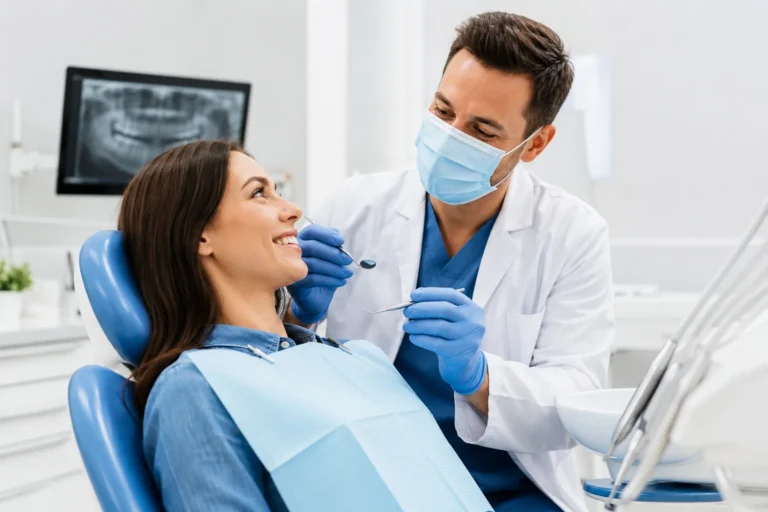
DENTISTS RECOMMEND 2 EXAMS PER YEAR. BOOK YOUR EXAM TODAY.


Regular dental checkups are one of the simplest ways patients can protect their smiles, comfort, and overall health. For many people, a dental visit may feel easy to postpone when nothing hurts. But healthy teeth and gums often depend on what happens before pain or visible problems appear.
At Ephrata Family Dentistry, preventive care is all about helping patients stay ahead of dental concerns in a calm, supportive setting. Routine exams and cleanings allow a dental team to spot small changes early, remove buildup that brushing cannot fully reach, and answer questions before they become worries.
This guide explains the importance of regular dental checkups in Ephrata, PA, what patients can expect during a typical visit, and why consistent dental care is valuable at every age.
This article is for general education only and is not a diagnosis or treatment plan. Anyone with tooth pain, swelling, bleeding gums, broken teeth, or questions about their oral health should consult a licensed dental professional for personalized guidance.
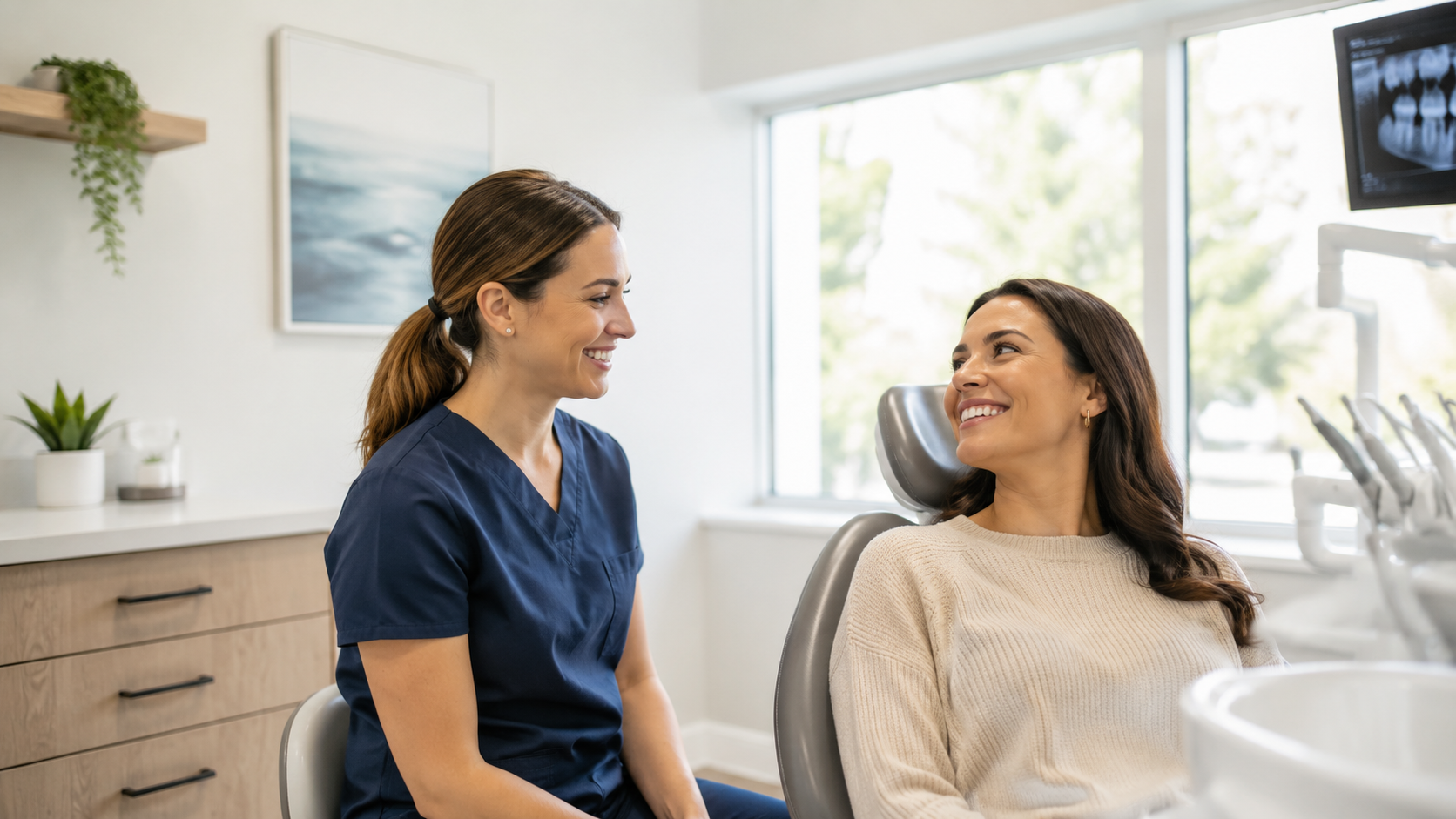
A regular dental checkup does much more than confirm whether a patient has cavities. It gives the dental team an opportunity to evaluate the entire mouth, including teeth, gums, bite, jaw function, existing dental work, and soft tissues.
Many dental problems develop quietly. A small cavity may not hurt at first. Early gum disease may cause only mild bleeding or tenderness. Worn enamel, cracked fillings, or signs of clenching can be easy to miss at home. During a dental checkup, these concerns can often be identified before they become more uncomfortable, complex, or costly to address.
Preventive visits also support everyday confidence. Patients often leave with cleaner-feeling teeth, fresher breath, and a better understanding of how to care for their smiles between appointments.
While every patient is different, a routine checkup usually includes a combination of examination, cleaning, screening, and education. The goal is to create a clear picture of the patient’s oral health and recommend next steps when needed.
The visit may begin with updates about medical history, medications, recent dental concerns, or changes in overall health. This information matters because oral health and general health often connect. Certain medications can contribute to dry mouth. Some health conditions may increase the risk of gum inflammation. Stress may lead to jaw clenching or grinding.
Sharing these details helps the dental team provide safer, more personalized care.
During the exam, the dentist checks teeth for cavities, cracks, wear, and changes around existing fillings, crowns, or other restorations. The gums are evaluated for inflammation, recession, pocketing, or bleeding. The bite may also be assessed for signs of grinding, uneven wear, or jaw strain.
The dentist may also examine the tongue, cheeks, lips, and other soft tissues. This screening helps identify sores, lesions, or other changes that may need monitoring or follow-up.
Even patients who brush and floss carefully can develop plaque and tartar in hard-to-reach areas. Plaque is a sticky film of bacteria. When plaque hardens into tartar, it cannot be removed with a toothbrush or floss at home.
A dental hygienist uses specialized instruments to remove plaque and tartar from around the teeth and gumline. The cleaning may also include polishing to remove surface stains and leave the teeth feeling smooth.
Dental X-rays are not always needed at every visit, but they can be an important tool. They help the dentist see areas that are not visible during a visual exam, such as between teeth, under fillings, around tooth roots, and in the jawbone.
The frequency of X-rays depends on a patient’s age, dental history, symptoms, and risk factors. A dental team can explain why imaging is recommended and how it supports safe, informed care.
Preventive dentistry focuses on maintaining health rather than waiting for problems to become painful. Regular checkups are a key part of that approach.
Cavities often begin as small areas of enamel damage. When found early, the dentist can discuss conservative treatment options and home care changes that may help protect the tooth. If a cavity grows deeper, it can affect more tooth structure and may lead to sensitivity, pain, or infection.
Regular checkups help patients avoid the surprise of discovering a problem only after it starts to hurt.
Gum health is essential for keeping teeth stable and comfortable. Early gum disease, often called gingivitis, may cause redness, swelling, tenderness, or bleeding when brushing and flossing. With professional cleanings and improved home care, gum inflammation may be manageable when addressed early.
More advanced gum disease can affect the bone and tissues that support the teeth. Routine dental visits give the dental team a chance to monitor gum health over time and recommend appropriate care when concerns appear.
Persistent bad breath can be frustrating and embarrassing. Sometimes it comes from food choices, dry mouth, or inconsistent cleaning habits. Other times, it may relate to tartar buildup, gum inflammation, cavities, or oral infections.
A dental checkup can help identify possible causes and offer practical solutions, such as cleaning techniques, hydration tips, or treatment recommendations when needed.
Fillings, crowns, bridges, implants, dentures, and other dental work need ongoing monitoring. A restoration may look fine to a patient but show early signs of wear, looseness, leakage, or bite stress during an exam.
Regular checkups help protect the investment patients have already made in their smiles. Small adjustments or timely repairs may prevent bigger concerns later.
Many patients benefit from dental checkups and cleanings about every six months. However, the right schedule can vary. Some people may need more frequent visits because of gum disease, a history of cavities, dry mouth, orthodontic appliances, medical conditions, or other risk factors.
Others with very stable oral health may receive a different recommendation from their dentist. The best schedule is one based on the patient’s individual needs, not a one-size-fits-all rule.
Patients in Ephrata, PA who are unsure how often to schedule visits can ask their dental team for a personalized preventive care plan.
Dental needs change over time, but preventive care remains important at every stage of life.
For children, dental checkups help track tooth development, bite changes, brushing habits, and cavity risk. Early visits also help children become comfortable in the dental chair. When dental care feels familiar, children are more likely to build lifelong healthy habits.
Teenagers may face different challenges, such as orthodontic care, sports-related dental risks, wisdom tooth development, sugary drinks, and inconsistent brushing during busy schedules. Routine visits keep them on track.
Adults often juggle work, family, and daily responsibilities, which can make dental care easy to delay. Regular checkups help catch problems before they interrupt life with pain, emergency visits, or more involved treatment needs.
Adults may also deal with gum recession, tooth wear, stress-related clenching, old fillings, or cosmetic concerns. A routine visit is a good time to ask questions and explore options.
Older adults may have unique oral health needs related to medications, dry mouth, gum health, tooth replacement, dexterity challenges, or existing dental work. Regular checkups help maintain comfort, chewing function, and quality of life.
Whether a patient has natural teeth, implants, bridges, or dentures, ongoing dental care remains important.
It is common for patients to delay dental visits. Some feel anxious. Some worry about cost. Others assume that if nothing hurts, everything is fine. A supportive dental team understands these concerns and can help patients take the next step at a comfortable pace.
Dental anxiety is more common than many people realize. A compassionate dental office can help by explaining each step, checking in often, and creating a calm environment. Patients should feel welcome to share fears or past experiences before treatment begins.
Modern dentistry also offers gentler tools, improved techniques, and comfort-focused care that can make visits easier than patients expect.
Preventive checkups are often more affordable than waiting until a dental problem becomes urgent. During a routine visit, the dental team can explain findings, discuss options, and help patients understand priorities. This gives patients more time to plan and make informed decisions.
Patients with dental insurance can ask how preventive visits are covered. Those without insurance can still ask about payment options or ways to manage care over time.
Life gets busy, and dental appointments can slip down the list. However, a routine checkup usually takes far less time than dealing with a dental emergency. Scheduling ahead and keeping consistent visits can help patients avoid last-minute disruptions.
Even if a patient is not due for a routine checkup, certain symptoms should prompt a call to the dental office. These may include tooth pain, sensitivity, swollen or bleeding gums, persistent bad breath, a chipped or cracked tooth, jaw pain, loose dental work, or a sore in the mouth that does not heal.
Patients should not wait for symptoms to become severe. Early evaluation allows the dental team to determine what may be happening and what options are appropriate.
Regular checkups work best when combined with good daily habits at home. Patients can support their oral health by brushing twice a day with fluoride toothpaste, flossing or cleaning between teeth daily, drinking water, and limiting frequent sugary snacks and drinks.
It also helps to replace a toothbrush or electric brush head every few months, or sooner if the bristles become frayed. Patients who grind their teeth, wear orthodontic appliances, use dentures, or have implants may need additional tools or instructions. The dental team can recommend home care techniques that fit each patient’s smile.
Having a trusted dental home makes preventive care easier and more comfortable. When patients visit the same dental team over time, the team gets to know their history, preferences, concerns, and goals. This relationship supports more personalized care and better communication.
For families, a local dental home can also simplify scheduling for children, parents, and older relatives. Patients can ask questions, track changes over time, and feel more confident about their dental decisions.
Ephrata Family Dentistry aims to provide a welcoming experience for general dental patients who want practical guidance, preventive care, and a comfortable place to ask questions about their oral health.
Yes. Many dental issues start without obvious pain. Cavities, gum inflammation, cracked fillings, and early enamel wear may be present before a patient notices symptoms. Regular checkups help identify concerns early and support long-term oral health.
A typical checkup and cleaning often takes about an hour, though the exact time can vary based on a patient’s needs, whether X-rays are taken, and how much cleaning is required. Patients can ask the office what to expect when scheduling.
Most cleanings are comfortable, though some patients may feel mild tenderness if they have sensitive teeth, gum inflammation, or heavy tartar buildup. Patients should tell the hygienist if anything feels uncomfortable. The dental team can adjust the approach and offer tips to improve comfort.
Many children benefit from checkups about every six months, but the dentist may recommend a different schedule based on the child’s cavity risk, tooth development, and home care habits. Regular visits also help children build confidence with dental care.
Patients should not feel embarrassed. Dental teams are used to helping people restart care after a long break. The first visit usually focuses on understanding current oral health, addressing urgent concerns, and creating a manageable plan.
They can reduce the risk of some emergencies by catching problems earlier, such as deep cavities, cracked teeth, gum disease, or failing restorations. However, accidents and sudden dental problems can still happen. Anyone with pain, swelling, trauma, or infection symptoms should contact a dentist promptly.
The importance of regular dental checkups in Ephrata, PA comes down to prevention, comfort, and peace of mind. Routine visits help patients protect their teeth, support healthy gums, maintain fresh breath, and make informed decisions before small concerns become larger problems.
For anyone who is due for a cleaning, feeling nervous about returning to the dentist, or simply unsure where to start, Ephrata Family Dentistry welcomes questions. Scheduling a checkup is a practical first step toward a healthier, more confident smile.