
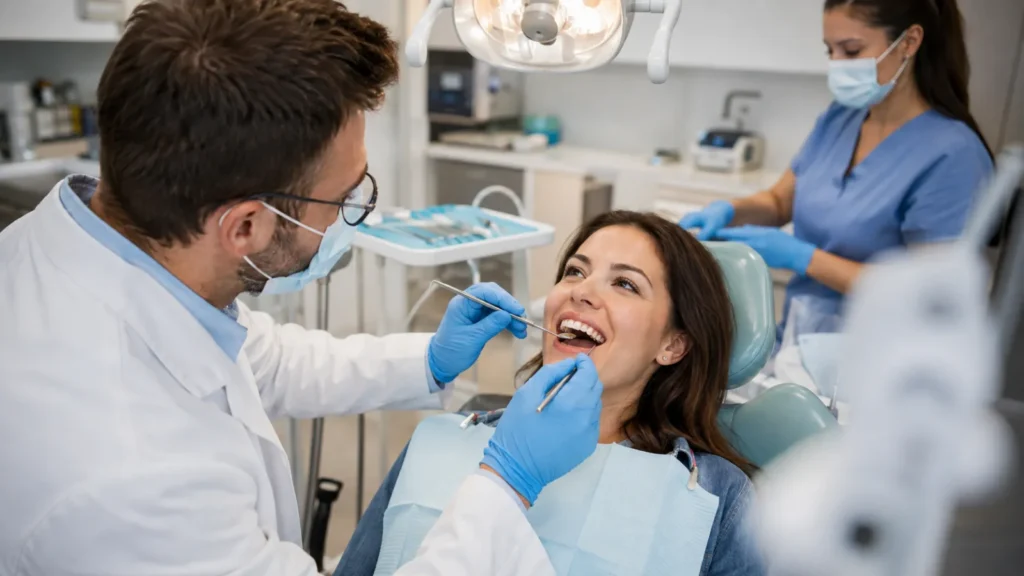
Even with excellent brushing and flossing, certain areas of the mouth can be difficult to keep completely clean. Plaque may collect between teeth, tartar can form near the gumline, and early dental concerns may develop without causing obvious discomfort.
That is why routine dental visits matter. Professional cleanings remove buildup that daily home care cannot always address, while dental exams give the dentist an opportunity to identify changes before they become more complicated.
For patients considering dental exams and cleanings in Ephrata, PA, knowing what happens during an appointment can make the experience feel easier and more comfortable. Here is what to expect before, during, and after a preventive dental visit.
This article provides general educational information and is not a substitute for an examination or personalized advice from a dentist. Appointment needs and treatment recommendations vary by patient.
Why Routine Dental Exams and Cleanings Matter

Dental exams and professional cleanings work together, but they serve different purposes. A cleaning focuses primarily on removing plaque, tartar, and surface stains. An exam evaluates the health of the teeth, gums, bite, existing dental work, and other visible areas of the mouth.
According to the Cleveland Clinic’s oral hygiene guidance, preventive care includes brushing, flossing, professional exams, cleanings, and dental X-rays when appropriate. Together, these habits can help reduce the likelihood of cavities, gum disease, persistent bad breath, and other oral health concerns.
Regular visits also establish a useful baseline. When the same dental team sees a patient over time, it can compare current findings with previous exams and images. A subtle change may be easier to recognize when there is a clear dental history for comparison.
What Happens During a Dental Exam?
A routine dental exam is usually straightforward and should include time for questions. Although the details vary based on age, health history, symptoms, and previous dental care, an appointment may include the following steps.
Reviewing medical and dental history
The dental team may ask about medications, allergies, health conditions, recent procedures, pregnancy, tobacco use, and changes since the last visit. Patients should also mention tooth sensitivity, bleeding gums, jaw discomfort, dry mouth, or anything else that feels unusual.
Medical information is relevant because health conditions and medications can sometimes affect the mouth or influence how dental care is planned. Providing a current medication list is helpful, particularly at a first appointment.
Checking the teeth and existing restorations
The dentist examines the teeth for visible decay, cracks, wear, and other changes. Fillings, crowns, bridges, implants, dentures, and other restorations may also be checked for signs of damage or looseness.
Not every dental problem causes pain right away. A small area of decay or a worn restoration may be easier to manage when detected early than after it begins causing significant symptoms.
Evaluating gum health
Healthy gums provide essential support for the teeth. During an exam, the dental team looks for redness, swelling, recession, bleeding, and other possible signs of inflammation.
In some cases, a small measuring instrument is used to evaluate the spaces between the teeth and gums. These measurements help the team assess gum health and determine whether a routine cleaning is appropriate or whether additional periodontal care may be needed.
Looking at the bite and surrounding tissues
The exam may include an evaluation of how the upper and lower teeth come together. The dentist may also look for patterns of grinding, clenching, or uneven wear.
The lips, cheeks, tongue, palate, and other visible oral tissues may be inspected for unusual changes. Patients should tell the dentist about sores, patches, lumps, or irritation that do not seem to resolve.
Taking digital X-rays when appropriate
Dental X-rays can reveal areas that are not visible during a clinical exam, including spaces between teeth and structures below the gumline. They may help assess decay, bone levels, tooth roots, developing teeth, and previous dental treatment.
X-rays are not necessarily needed at every cleaning. Their timing depends on factors such as age, dental history, current symptoms, cavity risk, and the availability of recent images. The dental team can explain why a particular image is recommended.
What Happens During a Professional Teeth Cleaning?
A dental hygienist typically performs the cleaning and adjusts the visit to the patient’s needs and comfort. Patients are encouraged to speak up if they have sensitive teeth, tender gums, a strong gag reflex, or anxiety about dental care.
Plaque and tartar removal
Plaque is a sticky film that forms on teeth. Brushing and flossing remove much of it, but plaque that remains can harden into tartar, also called calculus. Once tartar forms, it cannot be removed effectively with an ordinary toothbrush.
The hygienist uses specialized instruments to carefully remove buildup around the gumline and between the teeth. Hand instruments, ultrasonic equipment, or a combination of both may be used.
Polishing the teeth
After tartar removal, the teeth are commonly polished with a mildly abrasive paste. Polishing can remove some surface stains and leave the teeth feeling smoother. It does not change the natural color of the teeth in the same way that professional whitening does.
Cleaning between the teeth
The hygienist may floss between the teeth to remove remaining debris and check areas that are difficult to clean at home. This is also a good time for patients to ask about floss, interdental brushes, water flossers, or other tools suited to their needs.
Personalized home-care guidance
Preventive advice should be practical rather than judgmental. If plaque repeatedly collects in a particular area, the hygienist can demonstrate a different brushing angle or suggest a tool that makes the area easier to reach.
Recommendations may also address fluoride toothpaste, dry mouth, denture care, orthodontic appliances, or cleaning around crowns and implants.
Routine Cleaning vs. Deep Cleaning
A routine cleaning is preventive care intended for a generally healthy mouth. A deep cleaning, also called scaling and root planing, is a different procedure used to treat gum disease by cleaning below the gumline and smoothing the tooth-root surfaces.
A deep cleaning may require local anesthetic and can be completed in sections, depending on the patient’s condition. It should not be viewed as simply a longer standard cleaning.
The Cleveland Clinic’s overview of scaling and root planing notes that temporary bleeding or sensitivity may occur after this treatment. Most patients can return to normal routines the same day, although individual recovery instructions should come from the treating dentist.
If an exam reveals signs of gum disease, the dental team should explain the findings, recommended care, expected follow-up, and available comfort options before treatment begins.
How Often Should Dental Exams and Cleanings Be Scheduled?
Many patients benefit from exams and cleanings about twice a year. However, the right schedule is not identical for everyone. The Ephrata Family Dentistry website notes that patients with gum disease, restorative work, or certain medical conditions may need more frequent visits.
A personalized schedule may depend on:
- Current gum health
- History of cavities or periodontal disease
- Dry mouth or medications that affect saliva
- Braces, implants, crowns, bridges, or dentures
- Tobacco use
- Home-care effectiveness
- Medical conditions that may influence oral health
Children also need routine preventive visits, but the timing and services should be based on age, development, risk factors, and the dentist’s recommendations.
How to Make a Dental Visit More Comfortable
Feeling nervous about dental care is common, and patients do not need to hide their concerns. Sharing anxiety at the beginning of the appointment allows the dental team to adapt its approach.
Several simple strategies may help:
- Choose a time of day when stress and fatigue are usually lower.
- Bring an updated medication list and insurance information.
- Tell the team about sensitive teeth or uncomfortable areas before cleaning begins.
- Ask the clinician to explain each step before proceeding.
- Agree on a hand signal for requesting a short break.
- Use slow, steady breathing to reduce tension.
- Ask about comfort options if previous cleanings have been difficult.
Parents can help children by using calm, positive language. Rather than promising that nothing will feel strange, it is often better to explain that the dental team will count and clean the teeth while helping the child stay comfortable.
What to Expect After a Routine Cleaning
Most patients can return to normal activities immediately after a standard cleaning. The teeth may feel especially smooth, and mild gum tenderness or brief sensitivity can occur, particularly when there was considerable buildup or inflammation.
If fluoride is applied, the dental team may provide temporary instructions about eating or drinking. Patients should follow the specific directions given at the appointment.
Persistent pain, significant swelling, uncontrolled bleeding, or worsening symptoms are not typical results of a routine cleaning. A patient experiencing those concerns should contact the dental office for guidance.
Frequently Asked Questions
Do dental cleanings hurt?
A routine cleaning should not be sharply painful, although areas with sensitivity, inflammation, or heavy tartar may feel tender. Patients should tell the hygienist if they are uncomfortable. Technique adjustments, breaks, or other comfort measures may help.
Can a patient have a cleaning without an exam?
Office policies and individual circumstances vary, but periodic examinations are important because a cleaning alone cannot diagnose decay, damaged restorations, gum disease, or other concerns. The dental team can explain which services are due.
Will a cleaning whiten the teeth?
A cleaning may remove some external stains caused by foods, drinks, or tobacco, making the smile look brighter. It does not bleach the internal color of the teeth. Patients interested in a more noticeable color change can ask whether professional whitening is appropriate.
Are X-rays required at every visit?
No. X-ray frequency depends on the patient’s age, oral health, symptoms, risk level, and previous images. A dentist should recommend images only when they are clinically useful.
Does dental insurance cover exams and cleanings?
Many dental plans include preventive services, but coverage limits, waiting periods, networks, and required copayments vary. Patients should confirm benefits with their insurer and ask the dental office for an estimate before the appointment.
Should someone wait for a routine visit if a tooth hurts?
No. Tooth pain, facial swelling, trauma, a broken tooth, fever associated with dental symptoms, or signs of infection should be reported promptly. The office can determine how urgently the patient should be evaluated.
Schedule Preventive Dental Care in Ephrata, PA
Routine exams and cleanings offer a comfortable, practical way to protect teeth and gums while giving patients a clearer understanding of their oral health. These visits also create opportunities to ask questions, improve home care, and address concerns before they interfere with daily life.
Patients looking for dental exams and cleanings in Ephrata, PA, can contact Ephrata Family Dentistry to discuss their needs and schedule an appointment. The dental team can explain what is recommended, answer questions about comfort or insurance, and help each patient take the next step toward a healthier smile.